
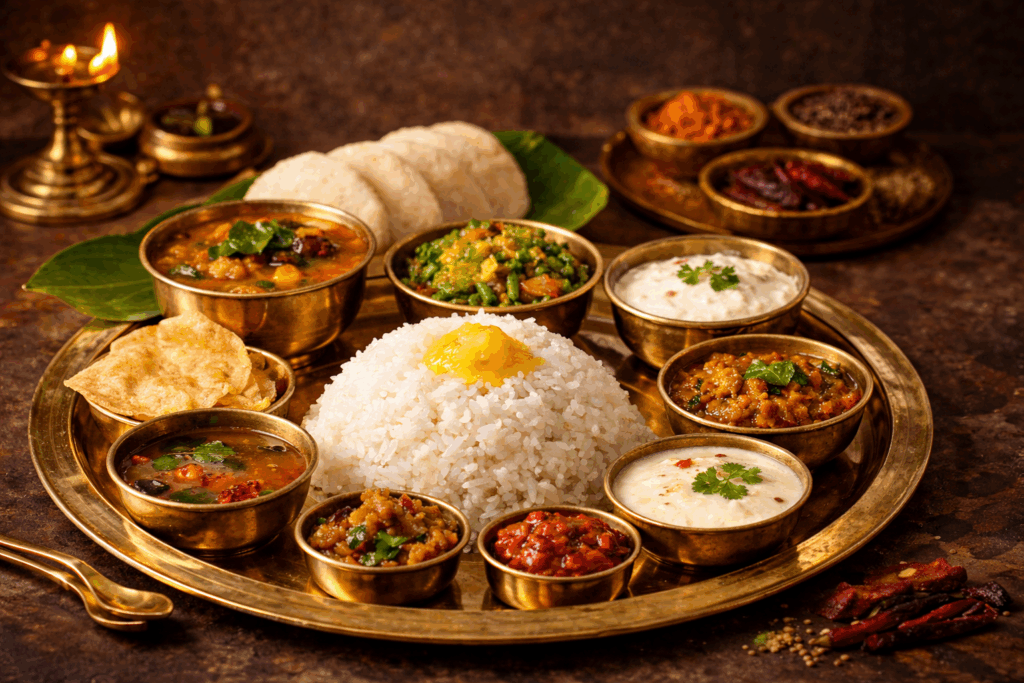
Introduction: South Indian Food That Connects Beyond Taste
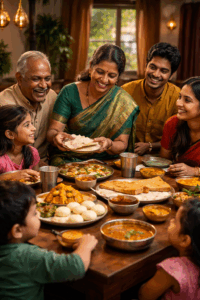
South Indian Food : There are some kinds of food that do more than just satisfy hunger—they create a feeling of comfort and belonging. South Indian cuisine is one of them. It is not just about spices or recipes, but about emotions, memories, and traditions that have been carried forward for generations. From the first bite to the last, South Indian food offers a sense of warmth that is hard to explain but easy to feel. It reminds people of home, family, and the joy of simple living.
The Power of Simple and Natural Ingredients of south Indian Food
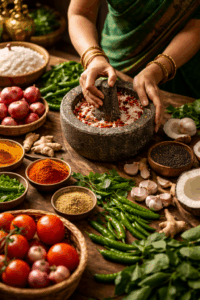
One of the biggest strengths of South Indian cuisine lies in its simplicity. The ingredients used are basic—rice, lentils, fresh vegetables, coconut, and a handful of spices. Yet, these simple elements come together to create dishes full of flavor and depth. Instead of relying on heavy creams or artificial flavors, South Indian cooking focuses on natural ingredients. Mustard seeds, curry leaves, tamarind, and turmeric are used not just for taste but also for their health benefits. This simplicity makes the food both delicious and easy to enjoy on a daily basis.
South Indian Breakfast: A Fresh and Flavorful Start
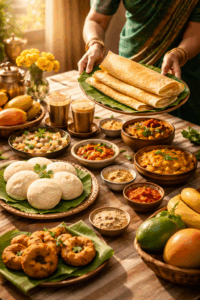
Breakfast in South India is a perfect example of how food can be both light and satisfying. Popular dishes like idli, dosa, upma, and pongal are prepared fresh and served hot. Idli, being soft and steamed, is gentle on the stomach and ideal for all age groups. Dosa, with its crispy texture and rich flavor, adds variety to the meal. These dishes are usually paired with chutneys and sambar, creating a complete and balanced plate. A good breakfast not only fills the stomach but also sets the tone for the day. South Indian breakfast does exactly that—it energizes you while keeping things light and healthy.
Lunch Delights: Where Taste Meets Balance
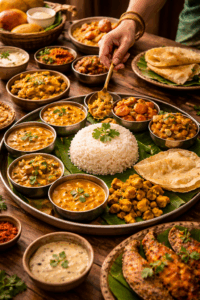
Lunch is often considered the most important meal of the day, and in South Indian cuisine, it is treated with great importance. A traditional lunch includes rice, sambar, rasam, vegetable curries, pickles, and curd. Each dish has its own role. Sambar provides a rich and spicy taste, rasam adds a tangy and refreshing flavor, and curd balances everything with its cooling effect. Vegetable curries bring texture and nutrition to the meal. The combination of these elements creates a balanced plate that satisfies both taste and health needs. It is not just filling—it is fulfilling.
The Art of Cooking with Care in Every Dish

South Indian cooking is not rushed. It involves patience and attention to detail. From soaking rice and lentils to fermenting batter, every step is important. These traditional methods are followed not just for taste but also for health benefits. Fermentation, for example, improves digestion and enhances the nutritional value of food. Cooking is often seen as an act of love. Meals are prepared with care, and this effort reflects in the taste. It is this thoughtful preparation that makes the food feel special.
Evening Snacks: Enjoy the Joy of Every Bite
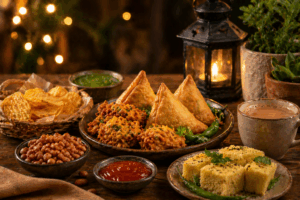
Evenings bring a different kind of comfort, and South Indian snacks perfectly match this mood. Light snacks like vadas, bajjis, and other savory items are commonly enjoyed during this time. Paired with a cup of hot coffee or tea, these snacks create a relaxing break from the day’s activities. They are not too heavy but still satisfying enough to lift your mood. These small eating moments often turn into meaningful conversations and shared experiences.
Health and Nutrition in Every Bite
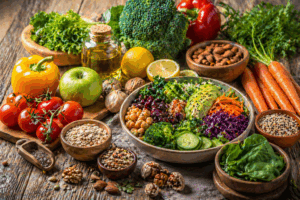
One of the reasons South Indian cuisine is widely loved is its health benefits. Most dishes are prepared using minimal oil and focus on steaming, boiling, or light cooking methods. Fermented foods like Idli and dosa are good for gut health. The use of lentils provides protein, while vegetables add essential vitamins and minerals. This balance of nutrition and taste makes South Indian food suitable for people of all ages. It proves that healthy food does not have to be boring.
The Deep Emotional Bond we have with Food
Food in South Indian culture is deeply emotional. It is connected to family traditions, festivals, and everyday life. Meals are often shared with loved ones, creating moments of togetherness. Sitting down for a meal, serving each other, and enjoying food without rush builds strong connections. Even years later, people remember these moments more than the food itself. That emotional bond is what makes South Indian cuisine truly special.
Bringing Tradition into Modern world
While South Indian food is rooted in tradition, it has also adapted to modern lifestyles. Today, it is available in restaurants, street food stalls, and even international kitchens. New variations and presentations have been introduced, but the core essence remains the same. The focus on freshness, balance, and authenticity continues to define the cuisine. This ability to evolve without losing its identity is what keeps it relevant and loved.